A note from MY Voice Project Director:
In March 2025, the U.S. Department of Labor (USDOL) terminated all contracts under its International Labor Affairs Bureau (ILAB) division, including the MY Voice project, led by SAI with implementing partners The Centre for Child Rights and Business, Proforest, and Our Journey. We recognize the significant contributions and investments made by all of our partners and stakeholders, and we deeply regret the impact this unexpected decision may have had on their organizations and communities.
We began the MY Voice project in December 2021, focusing on two industries in Malaysia that rely heavily on migrant workers: the palm oil and garment sectors. Our goal has been to strengthen worker voice in implementation efforts across four key areas—supply chain management, advocacy and engagement, remediation support systems, and labor enforcement.
To achieve this mission, we have implemented capacity building initiatives with a diverse range of stakeholders and facilitated meaningful reflection on the urgency and importance of addressing forced labor and child labor within the due diligence agenda. Throughout this work, we have emphasized that worker voice must be central to the design and implementation of social compliance systems, as well as broader initiatives to promote workers’ rights. I hope that the MY Voice project’s contributions have helped to underscore the vital role workers play in building supply chains that are robust, inclusive, and effective.
As the project comes to an end, we would like to thank all stakeholders for their partnership and dedication to the MY Voice project. It has been an honor to work together toward our shared goals of reducing forced and child labor and lifting workers, communities, and businesses.
– Jia Yen Lai, MY Voice Project Director
Project Impact
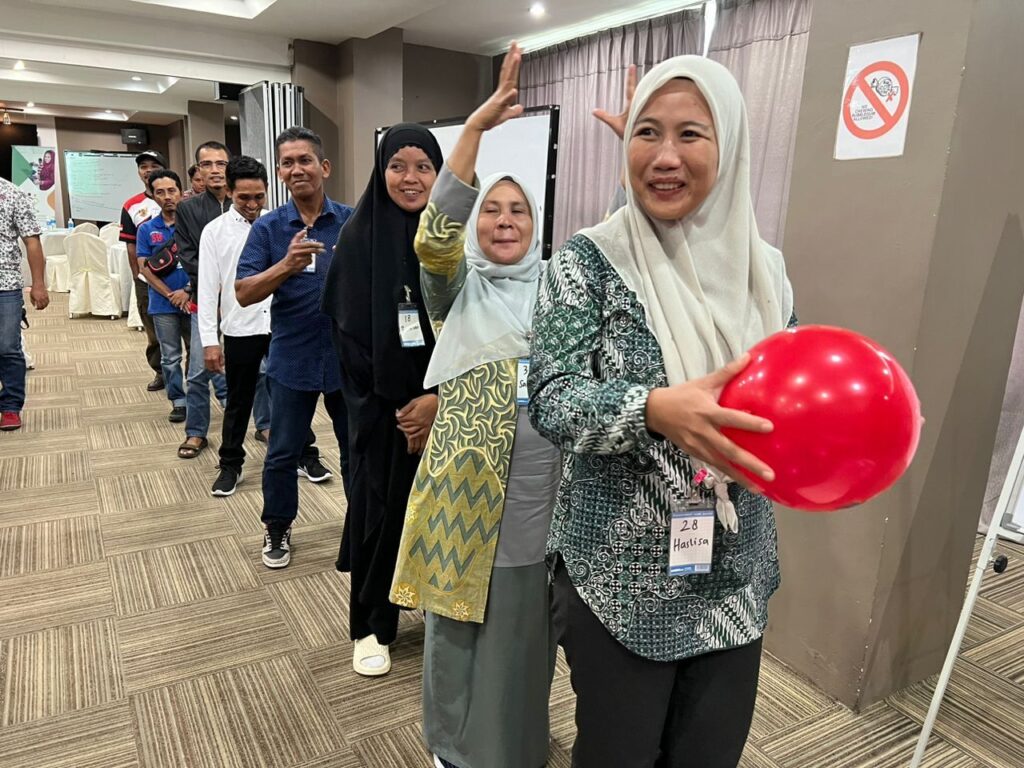
- 99 community facilitators from 15 organizations (CSOs, worker groups, and unions) were trained on awareness raising, skills enhancement, and institutional capacity
- 137 local labor inspectors were trained on topics including forced labor, child protection, gender-based discrimination, and effective investigation and interview strategies
- 229 members of the National Union of Plantation Workers (NUPW), including migrant workers, were trained on forced labor, child labor, anti-discrimination, and effective communication
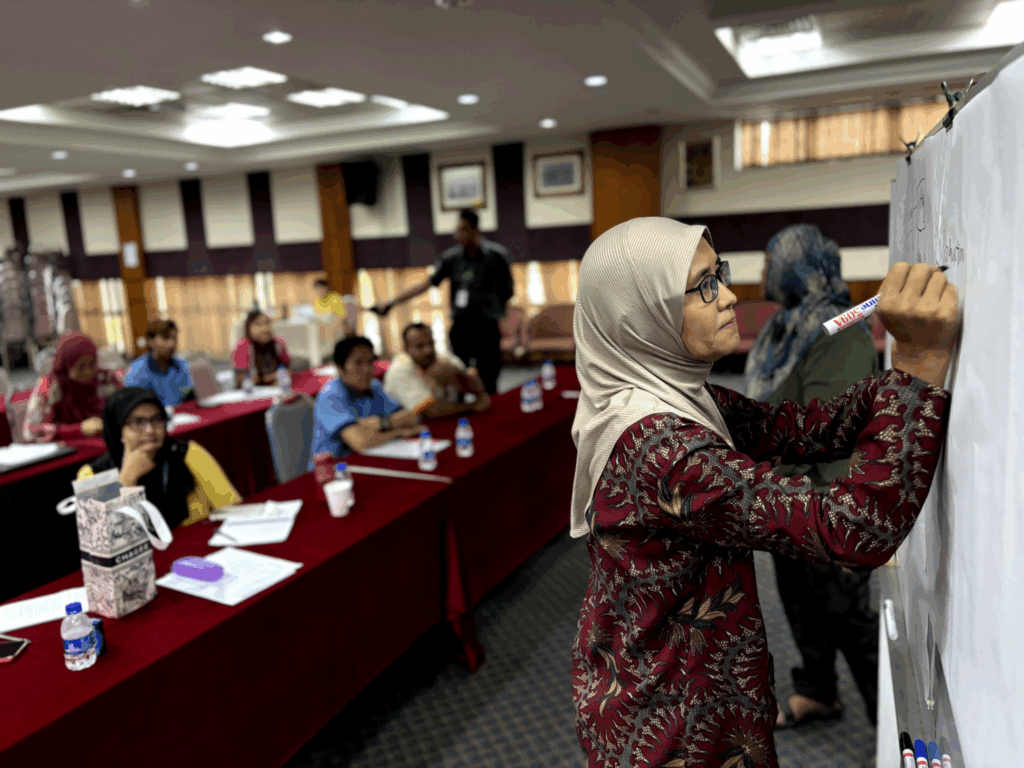
- 35 NUPW grassroots leaders attended a Training of Trainers workshop to increase their capacity and skills to facilitate worker trainings
- 2 private sector partners from the garment and palm oil sectors received customized trainings and technical support to strengthen social compliance systems and worker voice
- Launched improved version of the Just Good Work App, available in nine languages and updated for recent changes in labor laws
- Launched the Child Rights Action Hub
- Reached 218 participants with child labor prevention and remediation training, including 18 plantation companies and suppliers
- 42 case managers trained, including 24 junior case managers approved to manage individual remediation cases
- 36 community focal points trained to assist with case identification in plantation communities
- Training of Trainers workshop with 31 trainers from Community Learning Center teachers, palm oil vendors, and mill workers
- Child Labor Remediation Guideline developed with 11 tools


MY Voice Resources
Forced Labor Remediation Guidelines
We are excited to share new guidelines for companies about the process, principles, and good practices for remediating forced labor. The guidelines are accompanied by seven tools that provide additional resources, case studies, and examples to guide users as they implement forced labor remediation processes.
They are designed for companies in the garment and palm oil industries but can be useful to similar stakeholders in other countries and sectors. Tools include:
- Examples of remediation program for different types of forced labor
- Key Definitions
- General Guideline on Assessing and Preventing Forced Labor Risks
- Data collection/analysis, objectives of enhancement plan and integration into management system
- List of Forced Labor Service Providers
- Information Gathering Sheet
- Interview Consent Form
Child Labor Remediation Guidelines
New resources for child labor remediation case managers are now available in English. The guideline is accompanied by two annexes and 11 tools, which provide useful information on child rights in Malaysia, as well as tools for case managers and Child Labor Remediation service providers to manage child labor cases.
While they are designed for Child Rights Action Hub case managers and child labor remediation service coordinators who are involved in the palm oil sector in Sabah, Malaysia, they can be useful to similar stakeholders in other sectors and locations.
- Tool 1: Children’s Right at Work Guide
- Tool 2: Sample Interview Questions
- Tool 3: Child Labor Notification Form
- Tool 4: Consent Letter for Interview
- Tool 5: Case Form
- Tool 6: Assessment Report
- Tool 7: Educational Support Program
- Tool 8: Monitoring Report
- Tool 9: Payment Progress Report
- Tool 10A: Child Labor Prevention and Remediation Training Report
- Tool 10B: Supporting Tips
- Tool 11: Child Labor Remediation Closure Report
Translated Learning Materials
The following learning materials are available in English, Malay, Filipino, Bengali, Khmer, Nepali, and Burmese:
- Social Compliance System Poster and Handout Card
- Assessing Risks & Impacts Poster
- Corrective Actions Planning Poster
- Developing Code, Policy, Commitments Poster
- Grievance Mechanisms Poster (Malay and English)
Training Resources
- Community Facilitators Training Manual and Primer – designed to enable actors to build awareness of labor rights in their communities and to serve as a resource for workers and their families. This resource is available in Malay and English.
- Training Note for Labor Inspectors – includes training activities, case studies, and information on regulations related to forced labor, child labor, workplace sexual harassment, and inspectors’ legal authorities. This resource is available in Malay.
Stories from MY Voice
- The MY Voice Training of Trainers (TOT) methodology equipped local trainers to cascade labor rights awareness and learnings throughout their communities and the palm oil and garment sectors.
- As part of the project’s engagement with the Sabah Labour Department (JTK Sabah), MY Voice conducted a training series that brought labor inspectors together, providing a space to connect with one another and build skills in conducting effective forced and child labor investigations.
- In preparation for the launch of the Child Rights Action Hub, MY Voice kicked off Case Manager trainings in Sabah with Humana Aid Society from February to March 2024.
- In May 2024, MY Voice held the first Community Focal Point training as part of the Child Rights Action Hub. This training empowers community members to effectively identify and address child labor risks, contributing to the Action Hub, a community-based, multistakeholder child labor remediation service.
- Following the launch of the Child Rights Action Hub in June 2024, we published a Q&A with Jia Yen Lai, MY Voice’s Project Director, who talked about why the Action Hub is needed and how it works.
- In April 2024, MY Voice jointly hosted the Responsible Recruitment Symposium with the Consumer Goods Forum’s (CGF) People Positive Palm, bringing together a wide range of stakeholders to discuss the critical issues surrounding ethical hiring practices and the treatment of workers in global supply chains.
