
How our community engagement approach creates spaces for peer learning, experience sharing, and collective discussion of workplace issues
The root causes of labor rights challenges rarely begin and end at the workplace, and addressing them takes more than action from businesses alone; it also requires the involvement of the communities where workers live. SAI’s community engagement approach, CIRCLE, bridges this gap by creating safe, trusted spaces for workers and community members to better understand their rights and discuss challenges affecting their lives, called Community Circles. Through community diagnostics, regular discussions, and training sessions, participants explore key labor rights topics, examine workplace scenarios, and develop action plans to collectively identify and address issues facing their communities.
An important outcome of this approach is the opportunity for peer learning. While CIRCLE facilitators provide the necessary background information about labor rights, understanding often deepens when participants connect the material to their own experiences, exchange local perspectives, and learn from one another.
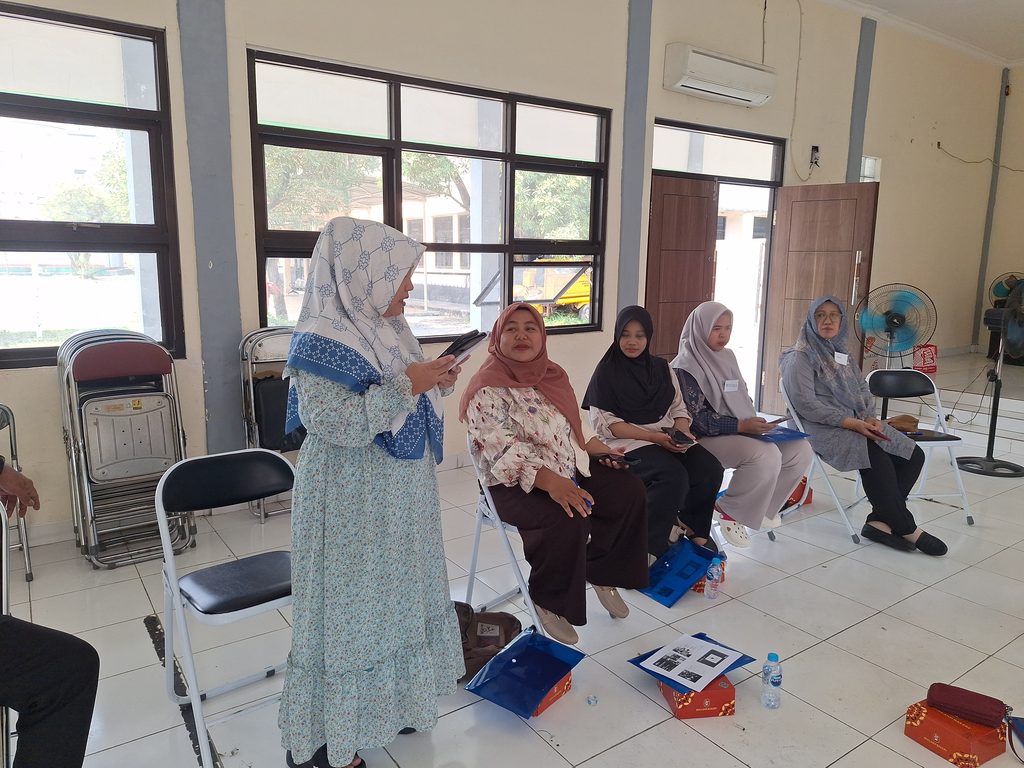
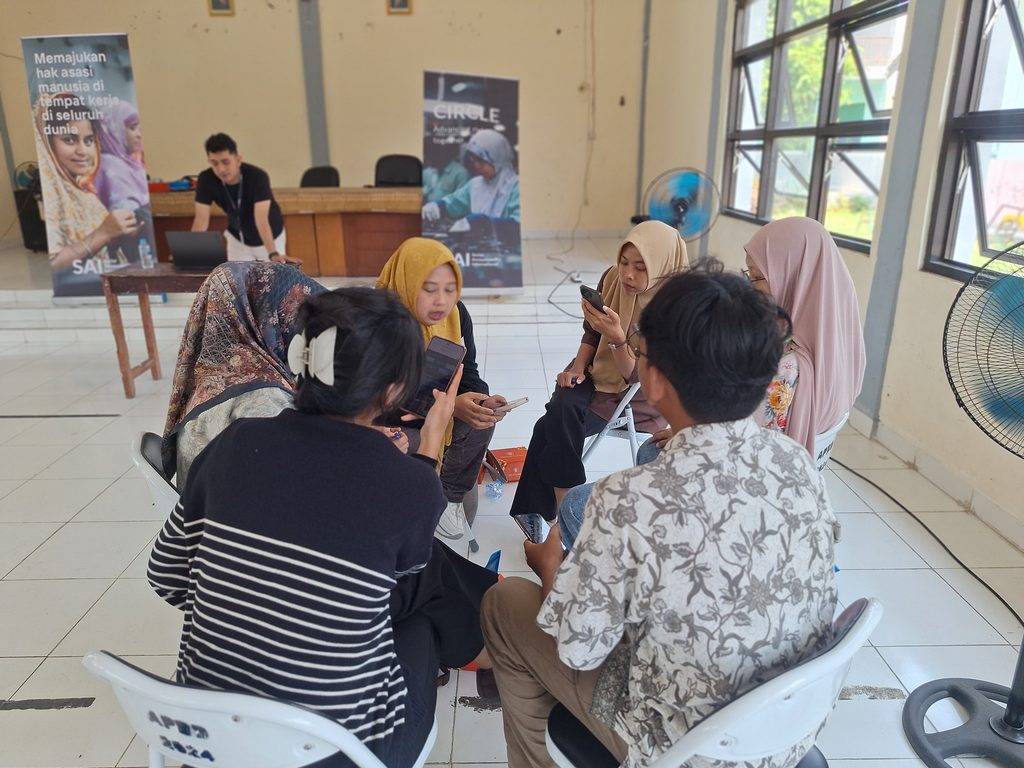
This was evident during a recent training session in an industrial community in Indonesia. In this area, manufacturing plays an important role in local livelihoods, yet many residents face job insecurity and limited social protections. During a labor rights training, the group discussion about a real-life experience of one participant brought the lesson to life.
From a Case Study to Real Life
During the session, participants were introduced to a case study about “Zoro”, a contract worker at a factory in an industrial area. Zoro frequently worked overtime late into the evening but did not always receive clear information about his overtime pay. He was also unsure whether his membership to Indonesia’s social security program was still active.
Despite his concerns, Zoro hesitated to approach his supervisor because his employment contract was nearing its end. He worried that raising questions about his rights might affect the possibility of his contract being renewed.
Participants were divided into two groups and asked: What can Zoro do, and whom can he turn to for help?
Each group proposed their recommendations, while the other group was invited to ask questions. One group suggested several possible steps for Zoro to escalate his concerns, beginning with approaching the company’s Human Resources Department, followed by seeking assistance from a trade union or reporting the issue to the local Manpower Office (Dinas Tenaga Kerja). If necessary, the matter could eventually be brought to the Industrial Relations Court (Pengadilan Hubungan Industrial, or PHI).
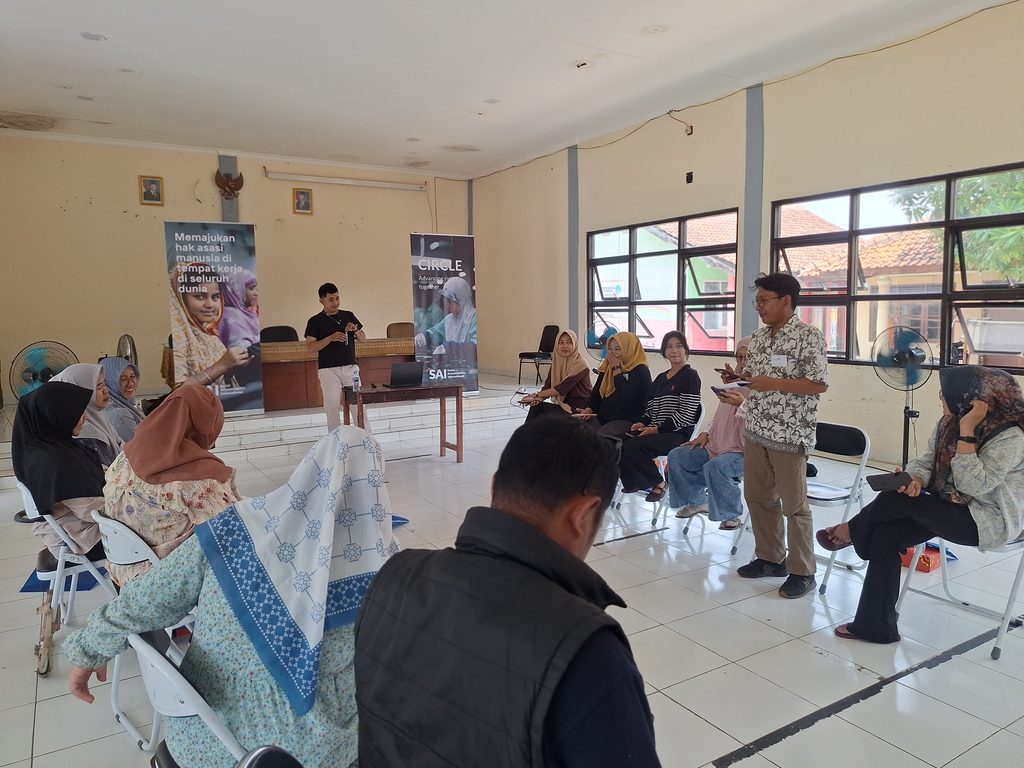
The discussion gained a new dimension when one participant volunteered to share his own experience with this process. As an active trade union member, he had previously accompanied a fellow worker through a case at the Industrial Relations Court, and reflected that the experience had taught him a great deal about the industrial relations dispute resolution process. He explained that pursuing the case required careful preparation, including gathering clear and sufficient evidence from the onset and understanding the steps involved in filing a lawsuit.
He also highlighted obstacles that workers may face when bringing a case to the Industrial Relations Court:
“One of the challenges is the distance. To handle and file a lawsuit, as well as attend court proceedings, workers still have to travel there. That requires money. In my view, this is also one of the reasons why not many workers are willing to continue with the process, […] or why some eventually give up after considering the distance and expenses involved.”
His account offered a new perspective for the other participants, many of whom had never heard of the Industrial Relations Court or did not know that it existed. They were also surprised to learn that workers in their community would need to travel over 100 km to access the court.
The peer sharing session led to a series of questions about the process, from preparing evidence and filing a lawsuit to attending court proceedings and understanding possible outcomes. What began as a discussion of a hypothetical case developed into a broader conversation about the practical steps and local challenges workers may encounter when seeking to defend their rights. With this new awareness, Community Circle members are now better prepared to navigate the dispute resolution process and support others who may need to do the same.
Knowledge That Spreads
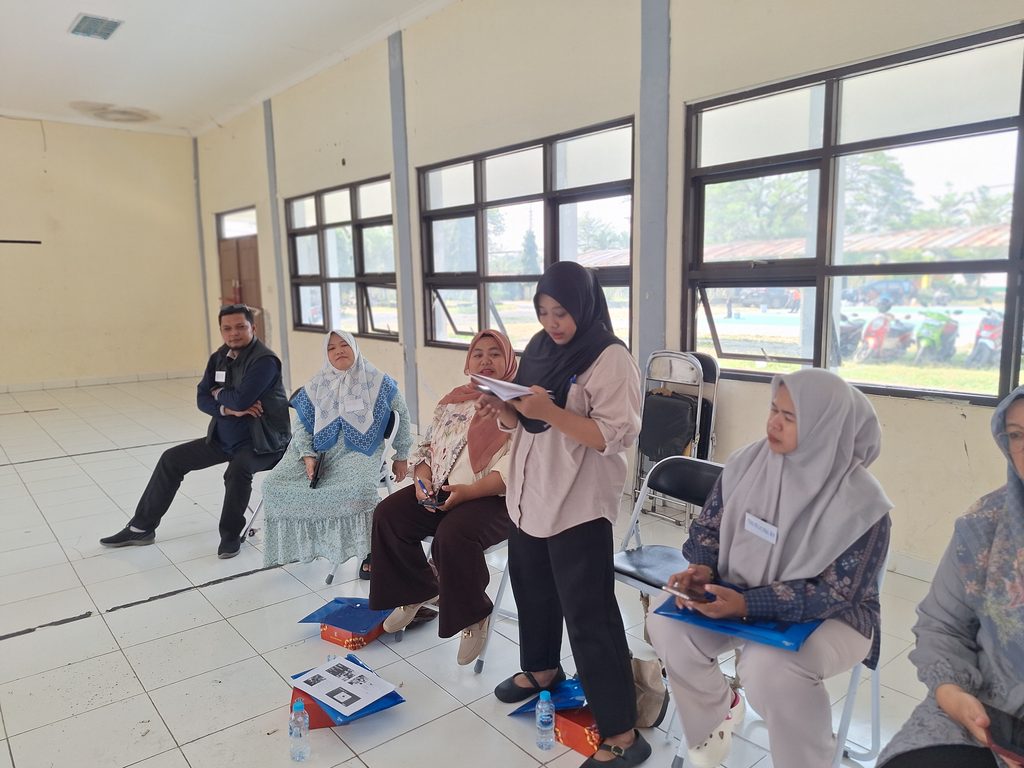
This discussion demonstrated that while training can introduce labor rights, it is often the knowledge and experience of people in the community that shows how those rights work in practice and what barriers exist locally, and helps to identify practical solutions. Listening to those experiences turns general information into locally relevant understanding.
That is one of the key values of CIRCLE: creating spaces where workers learn from one another, connect information to real-life experiences, and build a shared understanding of their local context through dialogue. As participants carry what they learn back to coworkers, families, and neighbors, this knowledge spreads through the wider community, helping more people recognize the roots of workplace issues, identify strategies to address them, and know where to turn for information or support when they need it.
Learn more about CIRCLE and our community engagement approach →
Are you interested in collaborating on a CIRCLE project? We are actively seeking corporate and civil society collaborators. Reach out to learn more!
