
Many labor risks — such as low wages, unsafe working conditions, child labor, limited opportunity — are rooted in problems that extend beyond the workplace. Companies have a responsibility to address these issues, but lasting change requires reaching their root causes, and that means engaging the communities where workers live, not just the factories or farms where they work. Our community engagement approach, CIRCLE, bridges this gap by connecting grassroots community work with supply chain due diligence, bringing together workers, families, youth, local leaders, and other community members to better understand labor rights, surface shared challenges, and build community-led solutions.
By creating trusted spaces for dialogue, learning, and collective action, CIRCLE strengthens worker voice beyond workplaces and actively partners with the community in advancing labor rights — helping companies address systemic labor risks holistically, as part of their workplace human rights due diligence strategies.
How does CIRCLE work?
The heart of CIRCLE is the Community Circle model. Community Circles are safe, trusted, and inclusive spaces where community members come together regularly to discuss challenges related to work, family life, and labor rights. These community-led conversations are supported through a small-grants program and facilitated by trained SAI team members. Combining dialogue, relationship-building, capacity building for community-led support systems, and a small-grants program, CIRCLE strengthens labor risk detection and response at the community level and connects those efforts to supply chain HRDD systems.
Read our blog post about the importance of community engagement in HRDD programs ➡
Within Community Circles, members openly share their experiences and concerns, identify labor risks, and learn about labor rights in simple, practical ways, design and implement innovative solutions locally, and engage with employers and local government to make those solutions last.
Active CIRCLES
In recent months, CIRCLE has grown across Vietnam, Indonesia, and Bangladesh. The programs in each country are at various stages of implementation – from listening and learning through community diagnostics, to forming Community Circles and empowering them to become active partners in advancing labor rights through community-led approaches.
Vietnam
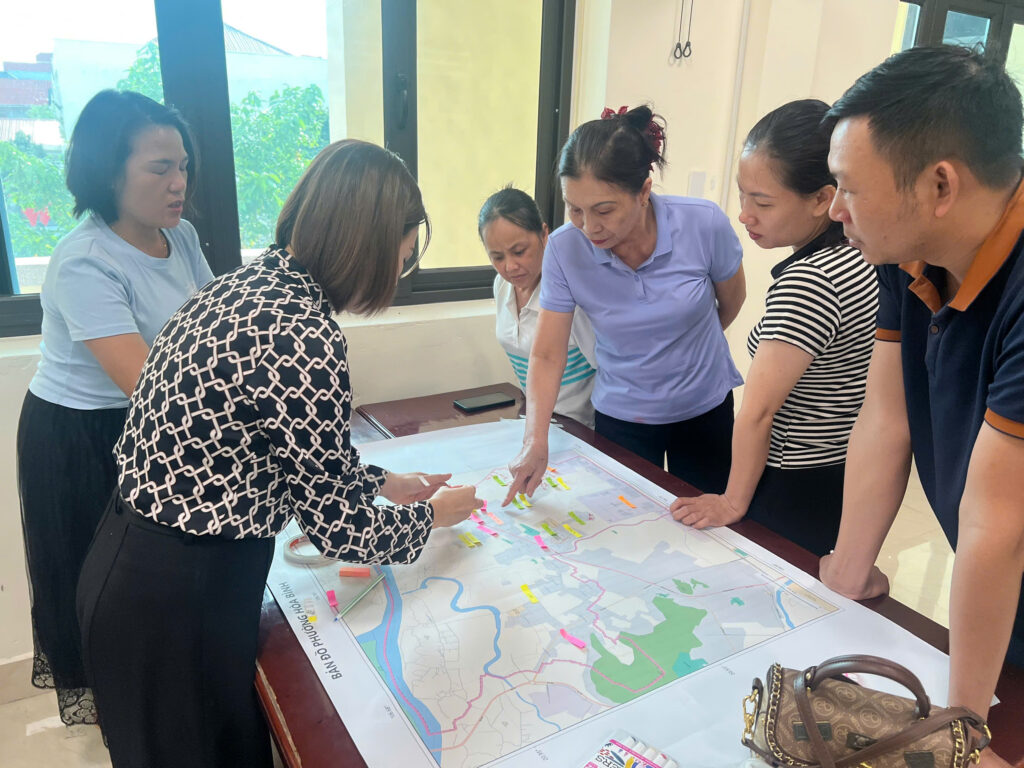
In Vietnam, the focus has been on listening before acting. Through community diagnostics, participatory research, and close collaboration with local partners, CIRCLE has laid a foundation for community engagement that reflects and responds to the realities faced by workers and their families. For example, through these efforts, many of the workers in one region were found to be women and youth who had migrated from other provinces, with their own unique priorities related to housing, awareness of local labor laws, and integrating with local communities.
Understanding these dynamics is essential to CIRCLE’s approach. Importantly, this early diagnostic work did more than gather facts — it also helped build trust through listening and learning. This has led to the formation of six Community Circles in Vietnam across the garment, footwear, and informal sectors. Community Circles will not only provide relevant information related to rights but also create safe and accessible spaces where workers can speak, learn, and connect with trusted support.
Indonesia
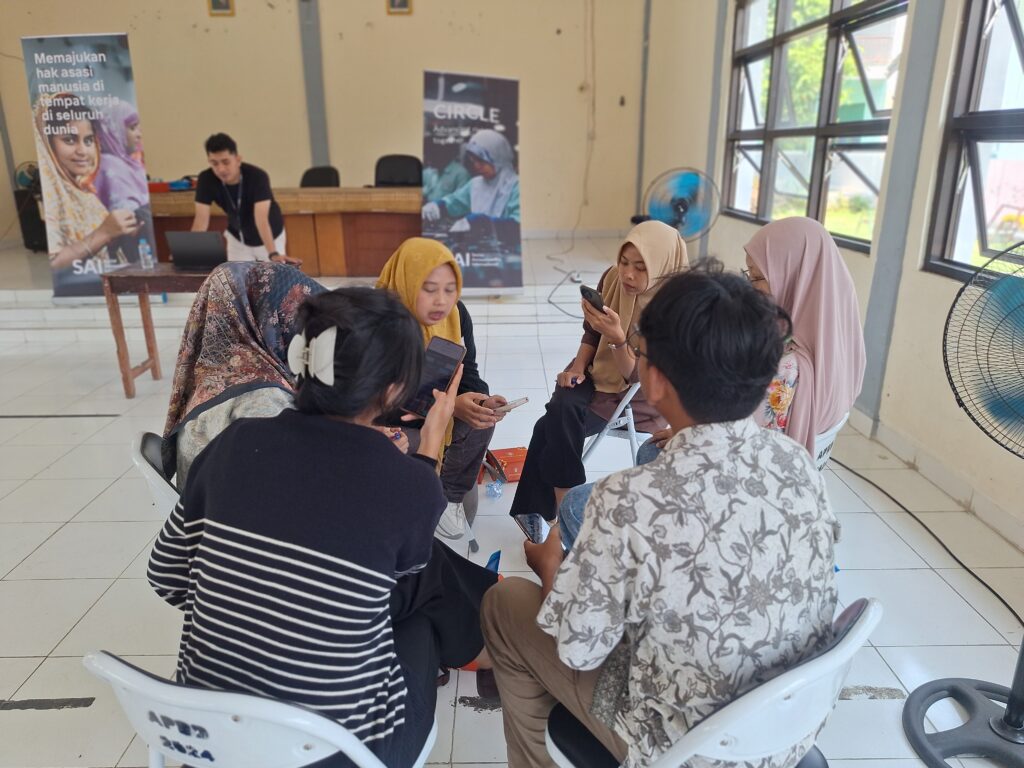
In Indonesia, seven Community Circles have been formed across manufacturing communities in the garment and electronics sectors, where participants are in the beginning stages of training sessions. These include an introduction to labor rights with case-based group discussion and participant experience-sharing. By raising awareness of rights, these foundational trainings are the first step toward action. When community members understand their rights and can see how their individual experiences connect to shared, systemic challenges, they’re better equipped to identify problems early, support one another, and advocate for solutions that go beyond any single workplace. As these Community Circles mature, this groundwork will help turn shared understanding into meaningful, community-driven change.
For example, during Indonesia’s first Community Circle training, a former industrial worker realized, while learning about compensation rights under Indonesian labor law, that she had never received compensation owed to her at the end of a prior fixed-term contract. Her reflection prompted other participants to share similar questions about their own contracts, turning the session into a peer-to-peer exchange rather than a one-way presentation — an early sign of the kind of community-owned learning the CIRCLE model is designed to foster.
Bangladesh
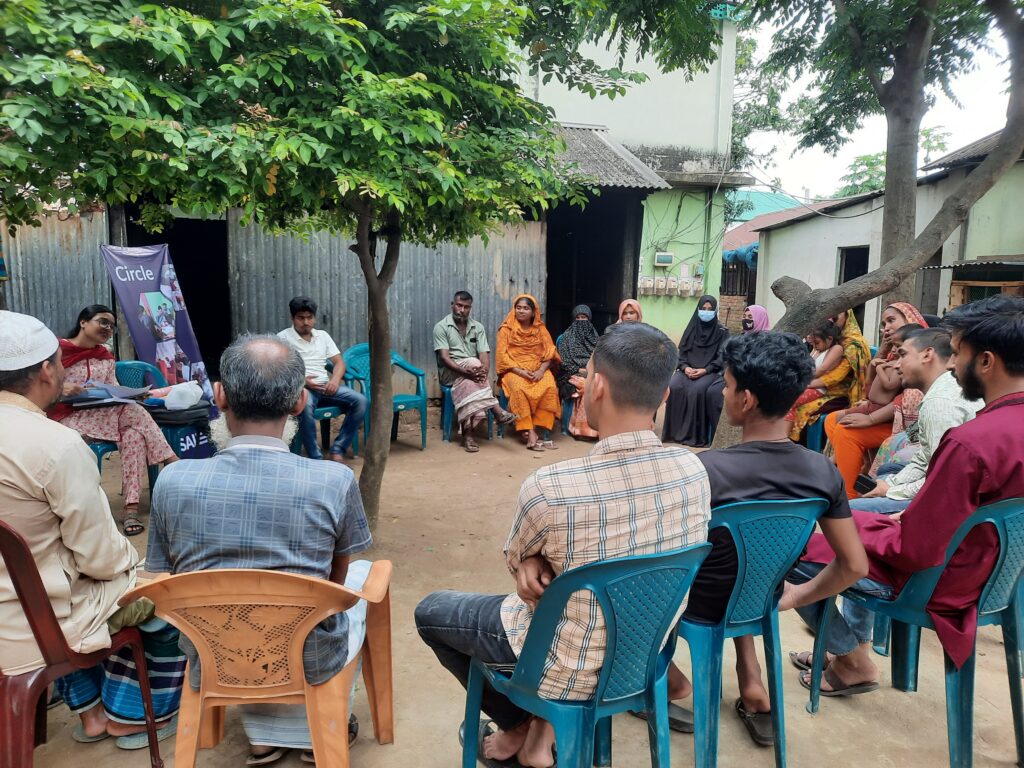
Ten Community Circles, all tied to the ready-made garment industry, have been formed in Bangladesh. Since their formation in April, these Circles have evolved from newly established groups into active platforms for community engagement. Through regular meetings and training, participants are strengthening their understanding of labor rights while beginning to lead practical initiatives that support workers, children, and families. During an early meeting, one female participant reflected on the value of a dedicated platform for collective voice:
“Women workers face pressure both at work and at home, but we rarely get the space to raise our voices together. Community Circles will be the best platform for us to discuss and solve our problems.”
Through their dialogues in recent months, Community Circles have moved from formation and orientation to sustained, action-oriented community dialogue. Members have identified local priorities related to child labor – including vocational skills development for youth, educational support for children of garment workers, and community awareness on child labor prevention – and the local team has mapped nearby ready-made garment factories as a foundation for future community-factory engagement.
Looking ahead
In the coming months, each country team will continue progressing from the diagnostic and circle formation phases to facilitating tailored trainings, engaging with local companies, and supporting Circles in developing structured action plans around their self-identified priority issues. As this work deepens, CIRCLE will continue to strengthen and bridge worker voice with company action — helping to build the kind of trust and shared ownership that lasting labor rights progress depends on.
Learn more about CIRCLE and our community engagement approach →
Are you interested in collaborating on a CIRCLE project? We are actively seeking corporate and civil society collaborators. Reach out to learn more!
